
The short answer
A CMBS loan is a commercial mortgage pooled with others into a trust that issues bonds to investors. Borrowers typically get non-recourse debt with fixed rates on stabilized income properties. In exchange, servicers administer the loan by strict rules, prepayment usually requires defeasance or yield maintenance, and modifications route through a special servicer.
Close a CMBS loan with the exit already planned: model the prepayment cost, understand the assumption process and read the cash management provisions before signing.
How does CMBS lending work?
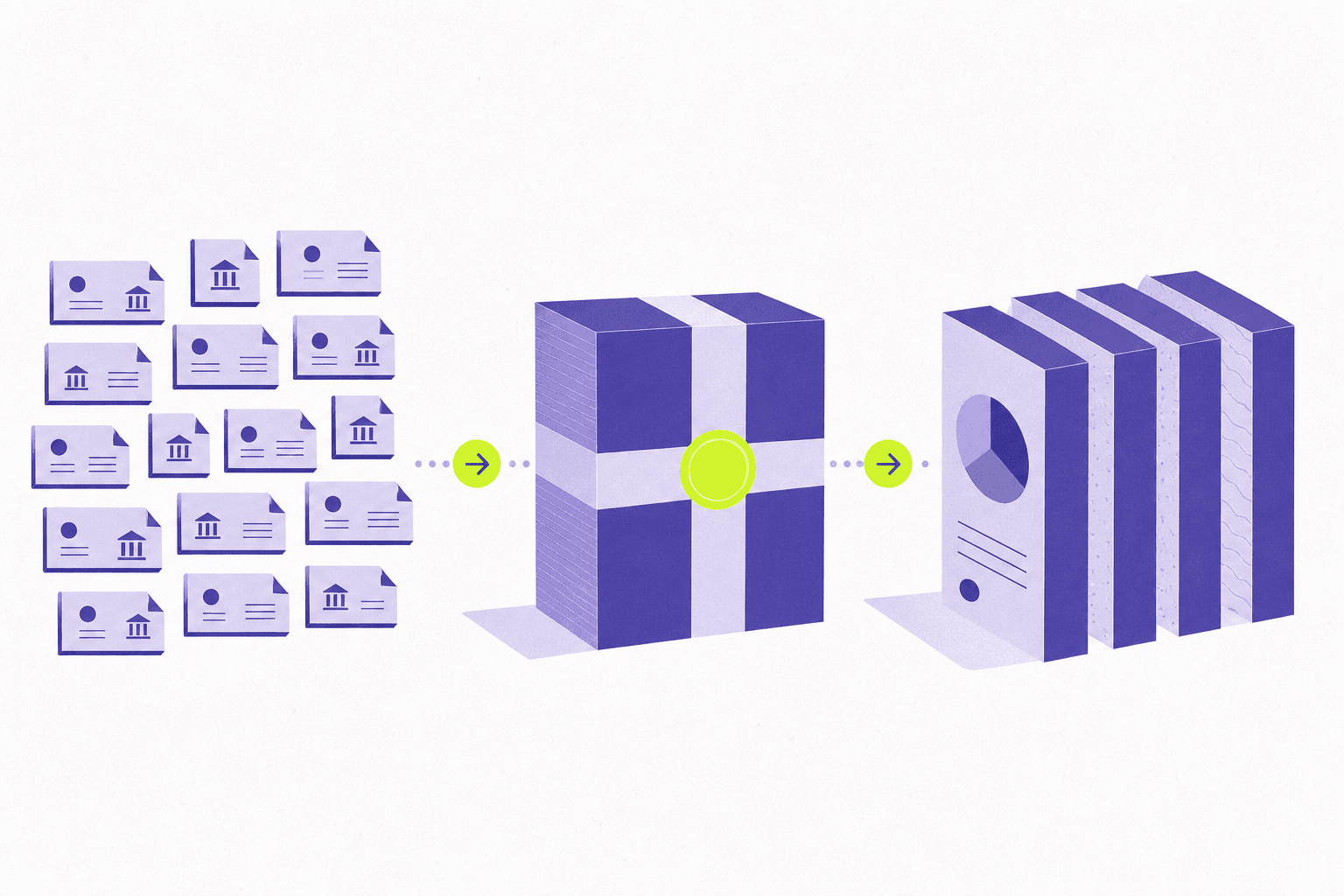
A conduit lender originates loans to sell into a securitization. The loans go into a trust, commonly structured as a REMIC for tax purposes, which issues classes of bonds with different risk and priority. Investors buy the bonds, and the trust pays them from the loans' payments.
Federal risk retention rules require the securitization sponsor to keep skin in the game. Under the credit risk retention regulation, a sponsor retaining a vertical interest must hold at least 5 percent, and a horizontal residual interest must equal at least 5 percent of the fair value of all interests issued.
Credit risk retention rule, 12 CFR Part 244.
What does a CMBS loan offer borrowers?
- Non-recourse debtRepayment comes from the property, with personal liability limited to specified carve-outs.
- Fixed ratesPricing that reflects bond market demand for commercial mortgage credit.
- Broad property coverageLending across stabilized property types and markets.
- Terms based on the assetUnderwriting centered on the property's cash flow.
What changes after a CMBS loan closes?
| Topic | Portfolio lender | CMBS loan |
|---|---|---|
| Who administers the loan | The lender that made it | A master servicer under the pooling and servicing agreement |
| Flexibility on requests | Negotiated with the lender | Governed by loan documents and servicing standards |
| Prepayment | Terms negotiated, sometimes open or stepped | Usually defeasance or yield maintenance |
| Sale of the property | New financing or negotiated assumption | Loan assumption through a defined approval process |
| Modifications | Discussed with the lender | Handled by a special servicer, usually after default risk appears |
| Cash management | Negotiated triggers | Lockbox and cash sweep mechanics applied as written |
What is defeasance?
Defeasance replaces the loan's collateral with a portfolio of securities, typically government securities, whose payments cover the remaining scheduled debt service. The property is released from the lien, and the bondholders keep receiving the payments they expected.
Federal REMIC rules shape the timing. Under the Treasury regulation on qualified mortgages, a lien release through defeasance must be part of a customary commercial transaction and must not occur within two years of the REMIC's startup day. Defeasance involves a consultant, a successor borrower entity, legal counsel and the servicer, so plan it weeks ahead of a sale or refinance.
How does yield maintenance differ from defeasance?
Yield maintenance charges a prepayment premium calculated to compensate investors for the interest they lose when the loan pays off early. The borrower pays the loan plus the premium, and the lien releases.
Defeasance keeps the loan in place with substitute collateral, while yield maintenance ends it with a payment. Either can cost a meaningful amount when interest rates have fallen since closing, which is why borrowers should model both against their expected hold period.
What do master and special servicers do?
The master servicer handles routine administration: collecting payments, managing escrows and reserves, and processing standard requests within the pooling and servicing agreement's limits. Its discretion is narrow, because it acts for bondholders.
The special servicer takes over loans in default or facing serious risk of default. It can negotiate modifications, forbearance or foreclosure, and it charges fees for that work. Borrowers who need real flexibility usually find it only after a transfer to special servicing, at a cost.
What structural requirements come with CMBS loans?
- Single-purpose borrowerA bankruptcy-remote entity that owns only the property and follows separateness covenants.
- Non-recourse carve-outsPersonal liability for acts such as fraud, misapplication of funds, voluntary bankruptcy and environmental losses.
- Cash managementLockbox accounts and cash sweeps triggered by events such as low debt service coverage.
- ReservesTax, insurance, replacement, tenant improvement and leasing reserves administered by the servicer.
- Transfer restrictionsLimits on changes in ownership and on additional debt.
How does cash management work in a CMBS loan?
Many CMBS loans route property income through a lockbox account. A hard lockbox has tenants pay directly into a lender-controlled account from day one. A springing arrangement keeps cash flowing normally until a trigger event, such as debt service coverage falling below a stated level, and then activates control.
Once triggered, a cash sweep directs excess cash into reserves or toward the loan balance and holds it back from distribution to the borrower. Read the triggers, the cure provisions and the order of payments closely, since they decide when the borrower regains access to cash.
How do CMBS loan assumptions work?
Selling a property with a CMBS loan usually means the buyer assumes the loan. The servicer reviews the buyer's qualifications, the new ownership structure and the guarantor, and the assumption closes with its own documents and fees.
Assumptions take time and follow the servicer's process, which rarely matches a purchase contract's schedule by default. Build the servicer's review into the sale timeline from the letter of intent.
What does a CMBS closing require?
A CMBS closing carries the usual commercial loan documents plus the requirements of securitization: single-purpose entity documents, cash management and lockbox agreements, a nonconsolidation opinion where required, third-party reports that meet securitization standards and loan documents conformed to the conduit's forms.
Securitization timing adds pressure, since conduit lenders aggregate loans for a pool. The same discipline that makes any closing clean applies: one list with owners and dates, third-party items first and obligations read closely.
When is a CMBS loan a good fit?
CMBS fits a stabilized property with a business plan that matches the loan term, owned by a borrower that values non-recourse debt and fixed rates more than flexibility. Owners who plan to hold through maturity feel the rigidity least.
It fits poorly when the plan involves heavy leasing changes, a likely early sale, a redevelopment or frequent requests for lender consent. Those plans collide with prepayment costs and servicer approvals.
How should borrowers close a CMBS loan with eyes open?
- Model the exitPrice defeasance or yield maintenance at the dates you might sell or refinance.
- Read the cash management triggersKnow which events trap cash and how to cure them.
- Understand assumption termsFees, buyer requirements and timing for a future sale.
- Map the carve-outsKnow exactly which acts create personal liability.
- Plan for flexibility needsAnticipate leasing approvals, reserve releases and capital plans the servicer must approve.
How does Prodeal support CMBS closings?
Prodeal gives conduit lenders and borrower's counsel one checklist for the loan and securitization requirements, with owners, due dates and a closing binder that servicers and bondholder-side reviewers can navigate after the loan joins a pool.
Questions lenders ask
- What is a CMBS loan?
- A CMBS loan is a commercial mortgage originated to be pooled with other loans in a trust that issues commercial mortgage-backed securities to investors. Servicers administer the loans for the bondholders under a pooling and servicing agreement.
- Are CMBS loans non-recourse?
- Typically, yes. Repayment comes from the property, and borrowers and guarantors take personal liability only for specified carve-outs such as fraud, misapplication of funds, voluntary bankruptcy and environmental losses.
- What is defeasance on a CMBS loan?
- Defeasance substitutes securities for the property as collateral, with payments that cover the remaining debt service, so the property's lien releases while bondholders keep their expected payments. REMIC rules bar defeasance within two years of the securitization's startup day.
- Can you prepay a CMBS loan?
- Usually only through defeasance or yield maintenance, both of which can be costly. Borrowers should model prepayment costs at their likely sale or refinance dates before closing.
- What does a CMBS special servicer do?
- A special servicer manages loans in default or at serious risk of default, negotiating modifications, forbearance or foreclosure on behalf of bondholders, and charges fees for that work.
- Can a buyer assume a CMBS loan?
- Usually, yes, through the servicer's assumption process. The servicer reviews the buyer and guarantor, and the assumption has its own documents, fees and timeline to build into the sale.
- What is risk retention in CMBS?
- Federal rules require the securitization sponsor to retain credit risk, generally at least a 5 percent vertical interest or a horizontal residual interest worth at least 5 percent of the fair value of all interests issued.
- What is a lockbox in a CMBS loan?
- A lockbox is a lender-controlled account that receives property income. A hard lockbox collects rent from the start, while a springing lockbox activates only after a trigger event, such as debt service coverage falling below a stated level, and then controls how cash is applied.