
The binder that assembles itself.
The closing binder is the deal's permanent record, and reconstructing one by hand after closing is nobody's favorite week. Prodeal generates it from the executed documents on the deal.
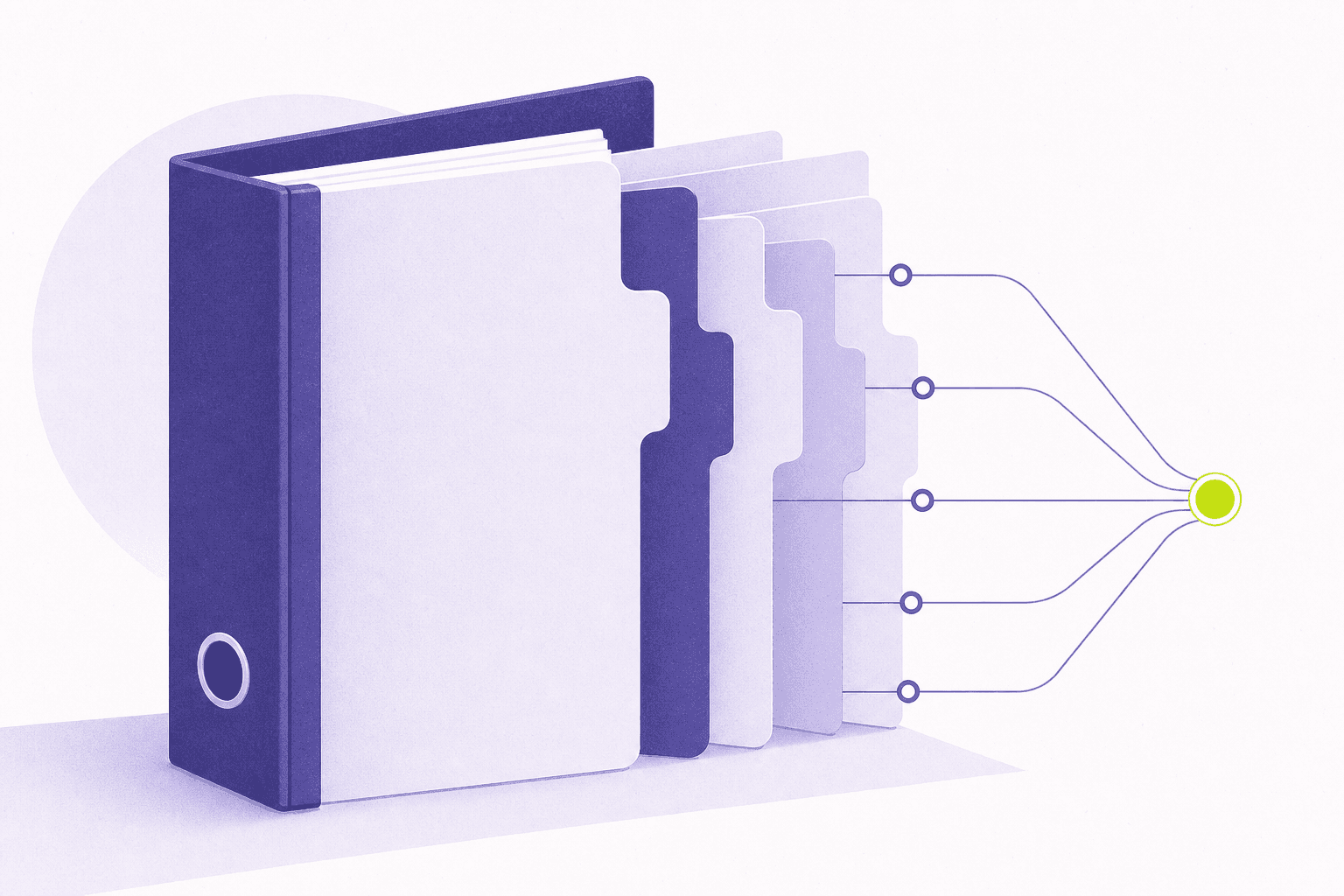
Closing binder software assembles the complete, indexed set of executed documents from a closed loan and keeps it available for servicing, participants and examiners. The alternative is building it by hand from an inbox weeks after funding, which is where missing recorded instruments and unindexed sets come from. In Prodeal the binder is produced from the closing checklist itself, so it exists at funding rather than being reassembled later.
Why binders arrive late and incomplete
A binder assembled after funding is assembled from an inbox. Someone opens the folder, the email thread and the signature platform, works out which version of each document was the executed one, puts them in the order the checklist ran, and builds an index. It takes days of skilled time, it happens when the team has already moved to the next deal, and it is nobody's favorite work.
The gaps are predictable. Recorded instruments come back from the county weeks later. The final title policy follows the recording. UCC acknowledgments arrive on their own schedule. A binder closed at funding is missing all three by definition, so what matters is whether anything reopens it when they land.
The second predictable gap is the index. A folder of correctly named PDFs is not a binder, because finding the third amendment in it costs the same as asking counsel for a copy.
The binder as a byproduct
When the closing runs on a checklist, the binder already exists. Each executed document is attached to the line item that required it, the order is the order of the list, and the index is the list itself. Producing the set becomes an export rather than a project.
That changes two things downstream. Servicing boards the loan from a complete file rather than chasing the closing team, and a participant can be given the record without a week of preparation. At examination the question moves from whether the file can be assembled to what it shows.
Trailing documents still arrive late, because recording offices keep their own pace. The difference is that they land on an open item with an owner instead of into a file nobody will reopen.
Trusted by leading Real Estate Teams







Manual assembly after the fact
Building a binder by hand means chasing final versions and re-indexing everything.
Version confusion
Which estoppel is final becomes a question when documents live in email.
Servicing and audits start here
Boarding and every future exam begin from the binder's completeness.
The binder, built as you close.
The permanent record assembles itself while the deal runs.
01Close the documents
As each checklist item closes, its final document is captured in order.
02The binder assembles
Prodeal builds the hyperlinked PDF from the closed set, indexed by tab.
03Versions stay authoritative
The binder holds the closed version of each document, never a stale draft.
04Hand it to servicing
Export the binder and the audit trail for servicing and the exam.
Watch a binder assemble from one live deal.
Book a demoAssembled from the deal
The binder builds from the documents the checklist already closed. Nobody compiles it at midnight.
Ordered by your tabs
The standard commercial set, in the order your shop files it, hyperlinked from an index.
Only closed versions
The binder holds the version that closed, so a stale draft never makes the permanent record.
Servicing gets the file
The loan boards with its binder and audit trail attached, not chasing them.
Questions lenders ask
- What is closing binder software?
- It produces the organized, hyperlinked set of executed closing documents automatically from the deal, rather than assembling and indexing one by hand after closing.
- Is the binder assembled by hand?
- No. It builds from the documents the checklist already collected and closed, in the order you set, so assembly is a byproduct rather than a project.
- What format is the binder?
- A hyperlinked PDF: an index that jumps to each closed document, so an auditor's request is one click away.
- Does it help with a post-closing audit?
- Yes. The binder and the exportable audit trail give an examiner the complete, ordered record without a reconstruction.
- What should a closing binder contain?
- Every executed document from the loan, in checklist order, with an index: note, mortgage or deed of trust, loan agreement and amendments, guaranties, security agreements and UCC filings, title policy, survey, insurance certificates, organizational documents, opinions and the closing statement. Recorded instruments and the final policy are added when they come back.
- Who is the binder actually for?
- People who were not in the closing. Servicing boards from it, participants diligence from it, auditors and examiners sample it. Each of them is reading the documents without the context the closing team carried, which is why the index matters as much as the contents.
- How soon after funding should it be ready?
- The complete set should exist at funding, with trailing items added as they arrive. Holding the whole binder until the last recorded document comes back is how a binder takes two months and then ships with something missing anyway.
The permanent record, already built.
Bring one closing to the walkthrough. The binder exports the day it funds.