
Every request, landed and labeled.
Chasing documents is most of a closing's coordination cost. Prodeal turns the chase into a list: every request has a status and an owner, and every document lands against its request.
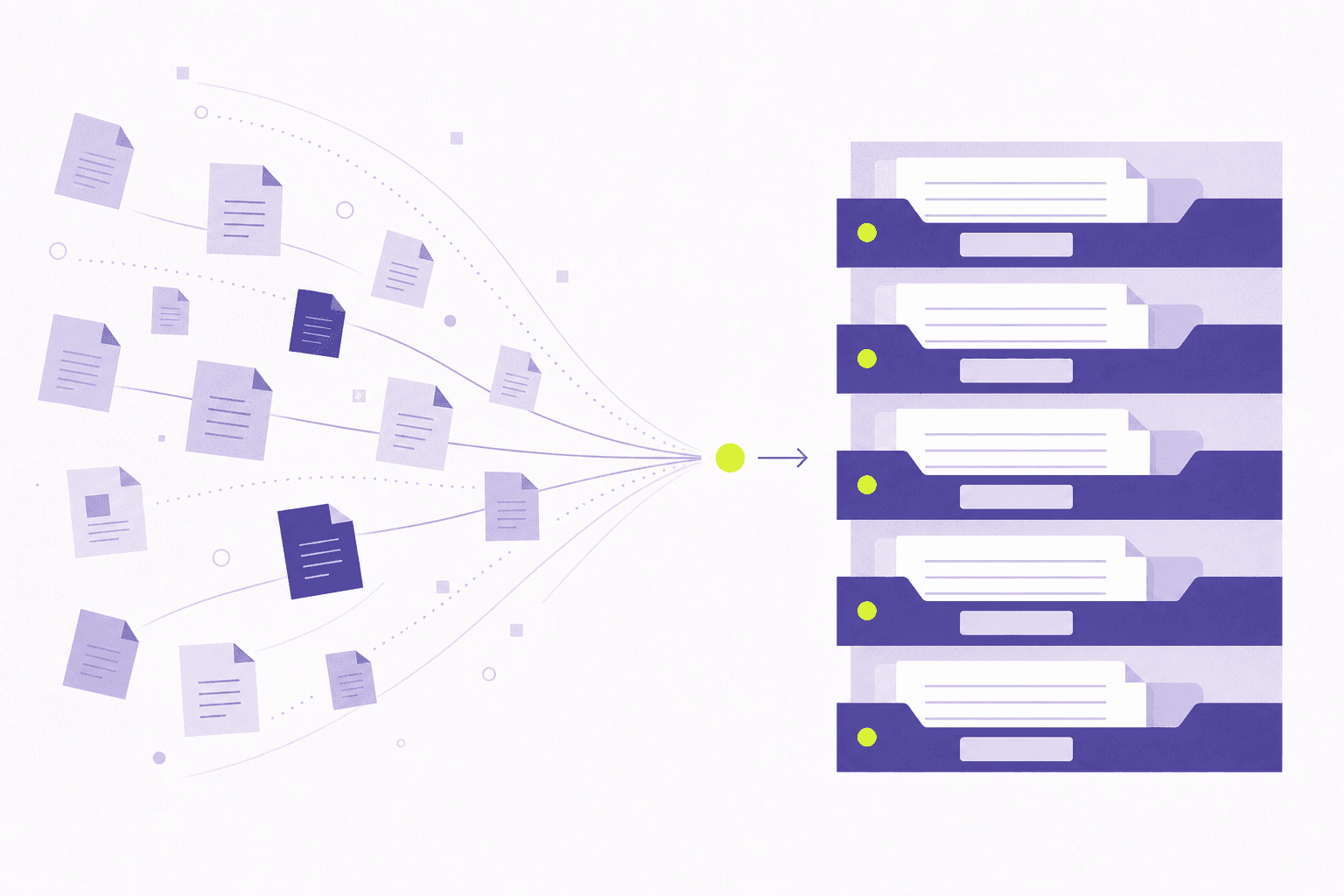
Document collection software requests documents from people outside your organization, tracks what has arrived, and chases what has not. The hard part is rarely storage. It is the loop: knowing who owes what today, reminding without a human writing the email, and keeping the status visible to everyone at once. Prodeal runs that loop as part of the closing checklist rather than as a separate tool.
The loop that actually costs time
Collecting documents from someone outside your organization is four steps repeated until it is done: ask clearly, know what arrived, know what did not, and remind without being rude. The storage question that most products lead with is the easy part of this.
The step teams underestimate is the second one. If a document can arrive by email, by portal, through counsel or inside a zip file, then knowing what has been received is a research task rather than a fact, and someone performs it every morning to answer the question of where things stand.
The fix is narrow: one place to deliver, and a status that updates itself when something lands.
Writing a request someone can actually answer
Most late documents are not refusals, they are ambiguity. A request for the operating statements means something precise to a credit analyst and nothing in particular to a borrower who has three versions in two formats. Naming the document the way the person holding it names it is the cheapest speed improvement available.
Two other habits help as much. Ask for everything you know you will need at the start rather than in waves, because a list that grows weekly reads as disorganization and trains the other side to wait. And put a date on each item, since an item with no date is an item with no priority.
Reminders should be automatic and specific. A reminder naming the two outstanding items gets a reply. A reminder asking for an update does not.
Trusted by leading Real Estate Teams







Documents arrive as attachments
Files land in email with no home, and someone files them by guess.
The chase is manual
Knowing what is outstanding and who owes it means a round of status emails.
Version drift
Multiple copies circulate and reconciliation becomes its own job.
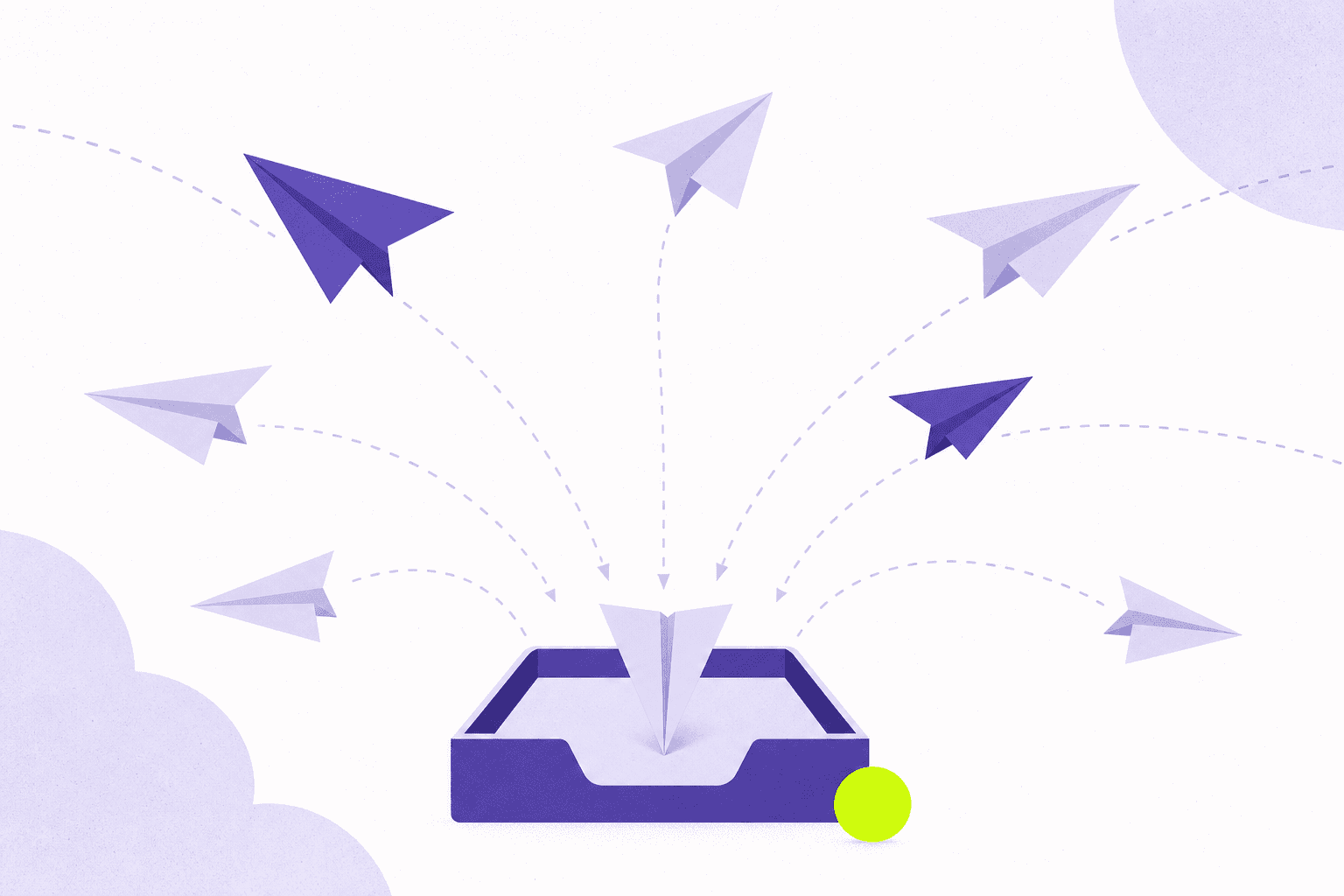
Collection, without the chase.
Documents arrive filed, current, and on the record.
01Name every request
The checklist lists exactly what you need, each as a named item.
02Collect without the chase
Borrowers and vendors upload against requests, and reminders route to the owner.
03Files land labeled
Each upload lands against its item and flips to received, with no renaming.
04Keep the version trail
Every version is kept and time-stamped, so drift stops.
Run one request list through it.
Book a demoNamed requests, named answers
You ask for the rent roll by name and the rent roll lands against it. Nothing arrives loose.
The list does the chasing
Reminders route to whoever owes the document, so your team stops writing nudge emails.
Every version kept
Replacements stack on the item with time stamps, so which-one-governs stops being a question.
Collection you can audit
When and from whom every file arrived is on the record, exportable.
Questions lenders ask
- How is document collection software different from a shared drive?
- A shared drive stores files; it does not say what is missing or who owes it. Document collection software makes each request a tracked line, so uploads land organized and the chase becomes a glance.
- How does it stop the back-and-forth chase?
- Requests are named and reminders route to the responsible party, so the list does the chasing instead of your team.
- What happens when a document is replaced?
- Every version is kept and time-stamped against its item, so there is no confusion about which one governs.
- Can external parties upload without a login?
- Yes. Borrowers and vendors upload against named requests from a link, with nothing to install.
- How do you chase documents without annoying the borrower?
- By making each reminder specific and automatic. A message naming the two items still outstanding, with their dates, reads as helpful. A weekly message asking for a general update reads as pressure and produces nothing, because it leaves the work of figuring out what is missing with the person you are asking.
- Should documents be collected by email or through a system?
- Email is where documents go when the system is harder than email, so the system has to be easier. That usually means delivery without an account, a single list, and no training. Where that is true, collection moves off email on its own, and status stops being a research task.
- What is the most common reason a document arrives late?
- Ambiguity about what was asked for. The second most common is a request that arrived in a wave after the borrower thought they were finished. Both are fixed on the lender's side rather than the borrower's.
Every document, landed and labeled.
Bring your request list to the walkthrough. The next deal collects itself.